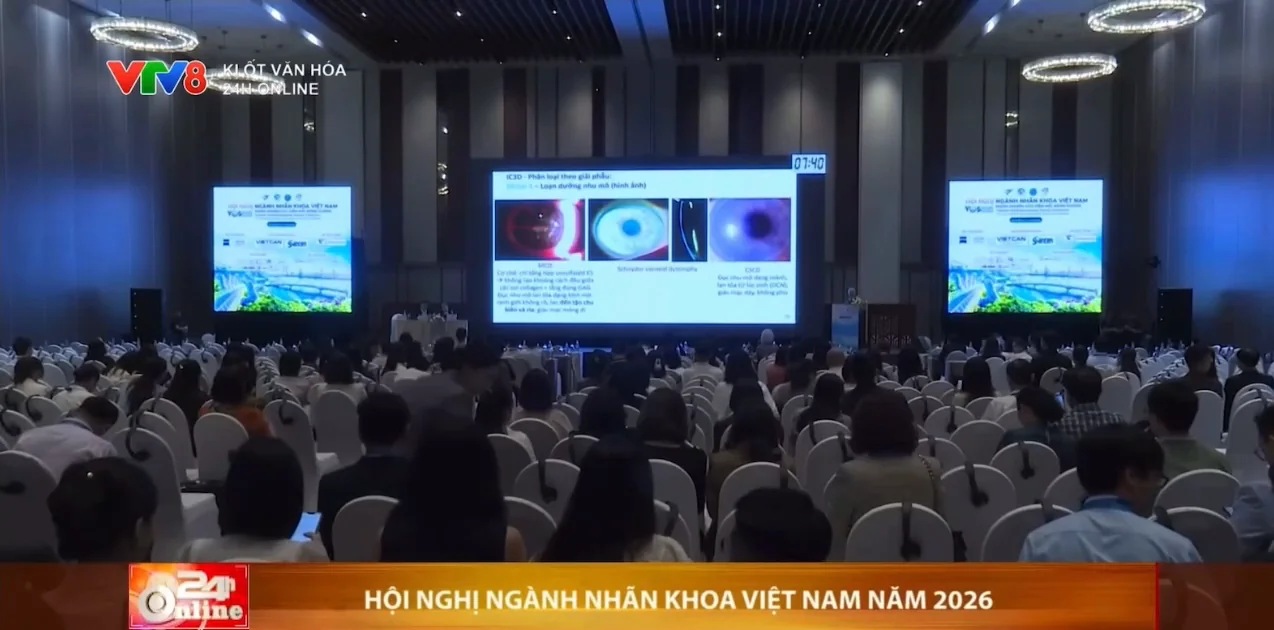
On the afternoon of 13 November 2026, the Vietnam Ophthalmological Society Conference 2026 (VOS 2026) and the 12th Indochina Ocular Inflammation Study Group Meeting (ICOISG 12) opened at the Ariyana International Convention Centre in Da Nang. The conference is organised by the Vietnam Ophthalmological Society together with the Vietnam National Eye Hospital, Da Nang Eye Hospital and the Indochina Ocular Inflammation Study Group, and has drawn more than 3,000 delegates from Vietnam and abroad.
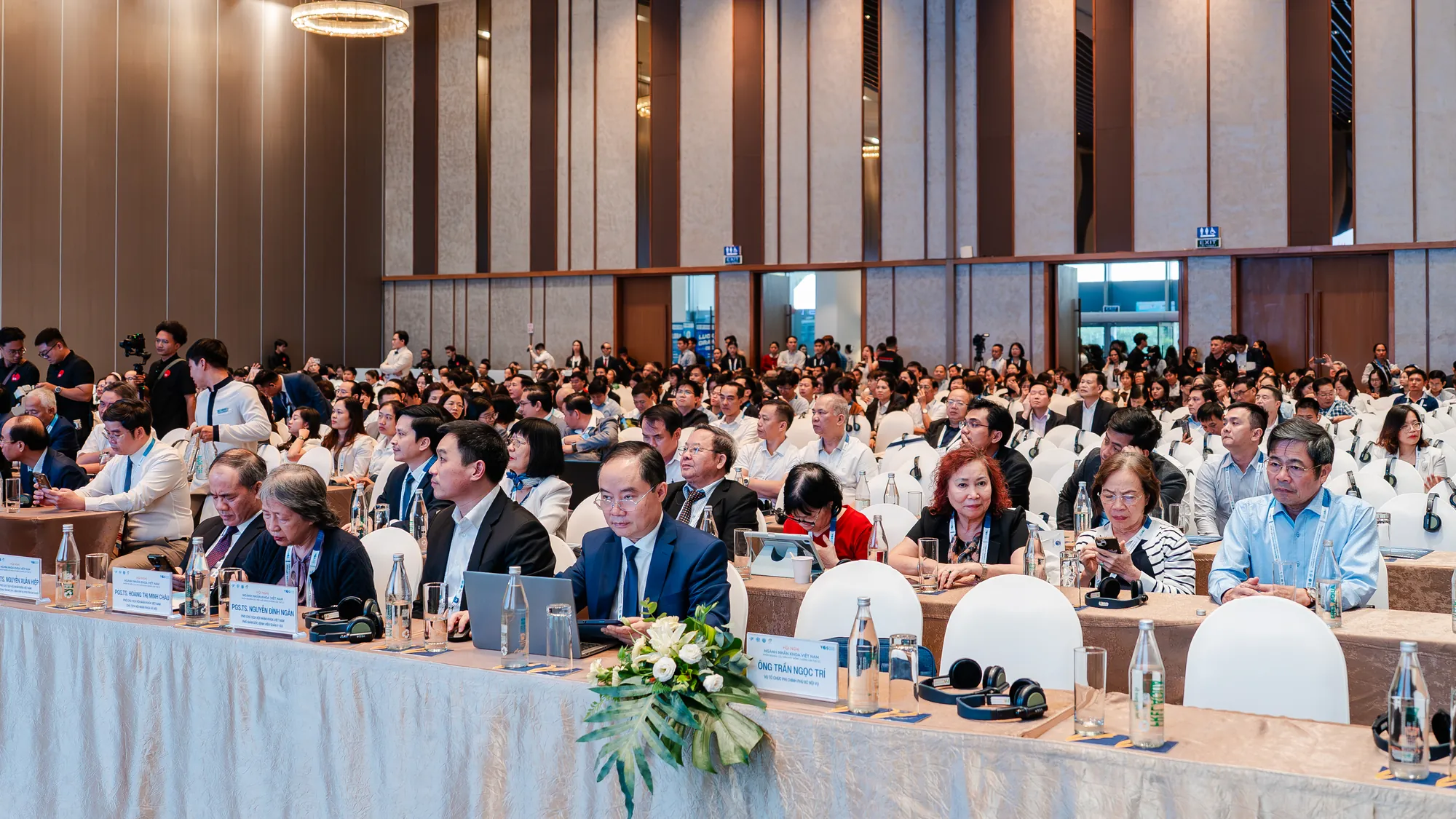
Bringing research into clinical practice
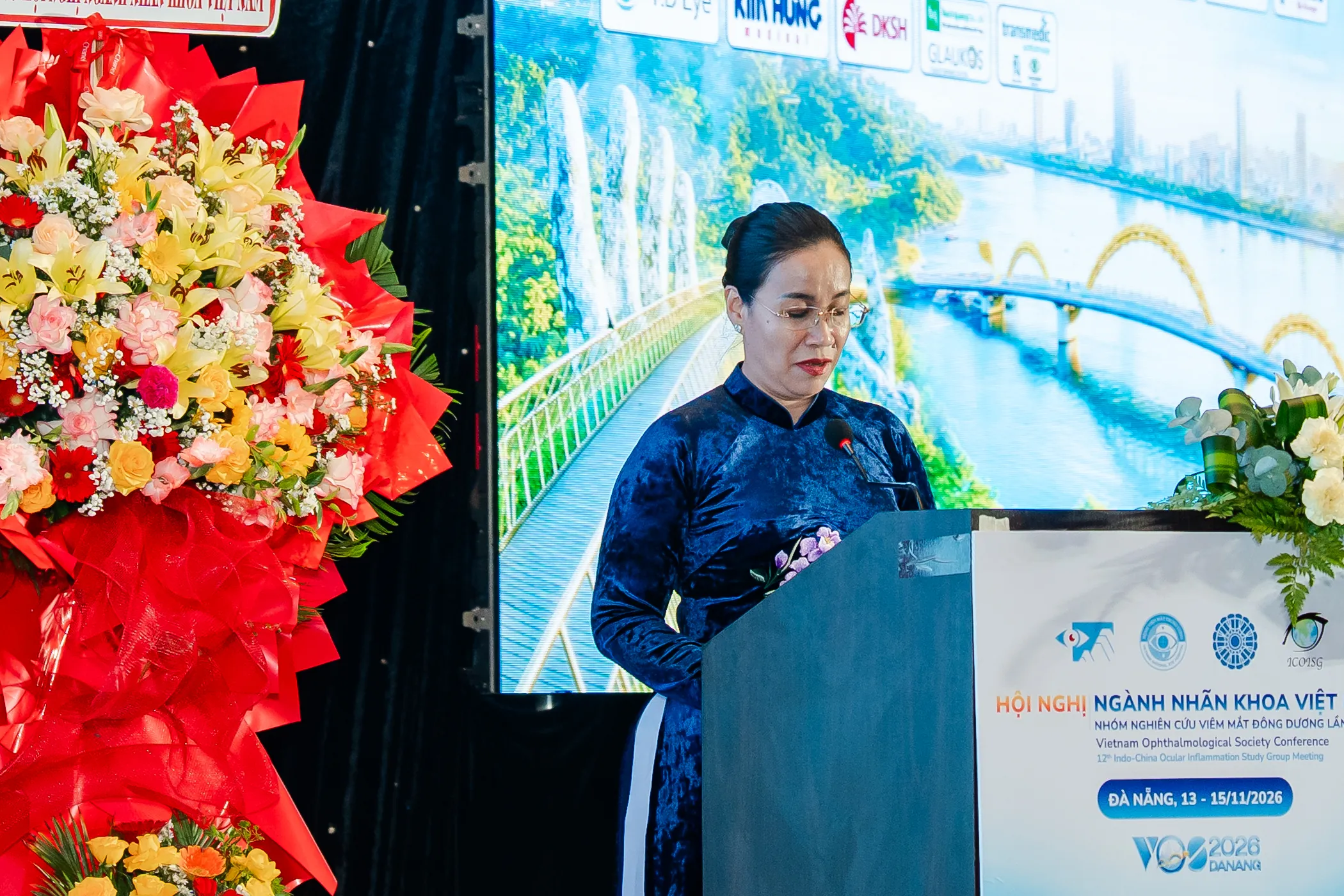
In her opening speech, Prof. Dr. Ton Thi Kim Thanh, President of the Vietnam Ophthalmological Society, said the more than 300 scientific presentations at the conference reflect years of research by Vietnamese ophthalmologists and experts.
She expressed the hope that the conference would highlight advances in research, training and clinical practice, and give delegates the chance to share experience and apply research findings to the diagnosis and treatment of eye disease, improving patient care.
Lower blindness prevalence does not mean a lower burden
Assoc. Prof. Dr. Nguyen Viet Nhung, Vice President of the Vietnam Medical Association, noted that a fall in blindness prevalence does not mean the burden of disease has fallen. Ophthalmology should be judged not only by the number of operations or modern techniques, but by whether patients regain their sight, enjoy a better quality of life and keep those results over time.
He called for stronger links between specialist centres and primary care, so that older people and groups with poor access to services can receive eye care.
Da Nang strengthens its eye care network
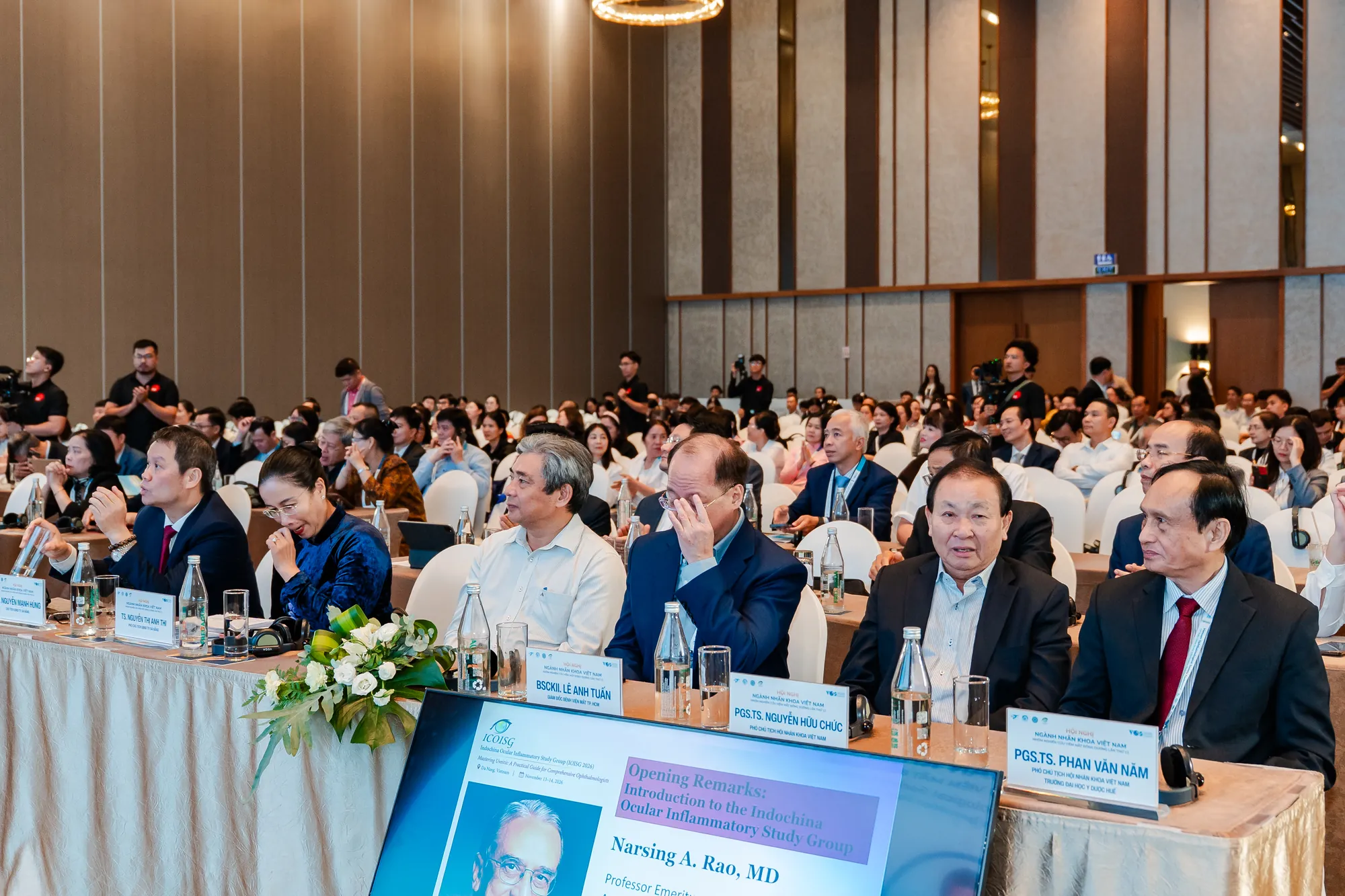
Nguyen Thi Anh Thi, Vice Chair of the Da Nang People's Committee, said the city is developing specialist techniques at Da Nang Eye Hospital while strengthening eye care at the primary level. The city's eye care sector has run screening programmes and free eye surgery for poor patients, with a focus on school myopia and eye care for older people.
The city hopes to continue receiving professional support from the Ministry of Health, the Vietnam Ophthalmological Society and experts to improve eye care for people in Da Nang and the region.
RAAB 2026 results
At the conference, Assoc. Prof. Dr. Pham Ngoc Dong, Vice President and Secretary General of the Vietnam Ophthalmological Society and Director of the Vietnam National Eye Hospital, presented the results of the Rapid Assessment of Avoidable Blindness in Vietnam 2026 (RAAB 2026). The survey was conducted by the Vietnam National Eye Hospital with international organisations and local authorities in 12 provinces and cities, covering almost 16,000 people aged 50 and over.
| Indicator (people aged 50+) | 2015 | 2026 |
|---|---|---|
| Blindness prevalence | 1.8% | 1.66% |
| Estimated number of blind people | 329,333 | 463,835 (up about 40.8%) |
| Cataract surgery complications as a share of blindness causes | 4.6% | 6.2% |
A key reason for the rise in numbers is the rapid growth of the population aged over 50, estimated at 26.04 million in 2026. So although prevalence has fallen, the number of people needing eye care, treatment and vision rehabilitation keeps rising.
Cataract remains the leading cause, accounting for 66.7% of blindness. It is common in older people and can be treated with surgery.
Complications of cataract surgery account for 6.2% of blindness causes, up from 4.6% in 2015. This is a share of the causes of blindness recorded in the survey, not a complication rate across all operations. In operated eyes with poor vision, the causes include posterior capsule opacification, refractive error, coexisting eye disease and intraoperative or postoperative complications.
The survey also found that women account for 64.5% of bilateral blindness; blindness prevalence is 2.06% among women compared with 1.19% among men. According to the report, longer life expectancy and barriers to accessing eye care may contribute to this difference.
RAAB 2026 provides the basis for developing the national blindness prevention strategy for 2026–2030, with a vision to 2045. Detailed figures are in the press release on RAAB 2026.
Ministry of Health: more operations must go with quality control
On behalf of the Ministry of Health, Dr. Vu Manh Ha, Alternate Member of the Party Central Committee and Standing Deputy Minister of Health, said Vietnamese ophthalmology has made significant progress. Hospitals have mastered modern techniques in cataract surgery, retinal disease treatment, glaucoma, corneal transplantation and laser refractive surgery, and screening and blindness prevention have expanded, including to remote areas.
However, he said RAAB 2026 shows that eye care faces new challenges as the population ages. Cataract remains the leading cause of blindness; the number of operations grows every year, but the need for treatment keeps rising as the number of older people increases, while the share of blindness caused by cataract surgery complications has also risen.
In response, Deputy Minister Vu Manh Ha set out several requirements for the sector:
- Surgical quality: specialist hospitals, training institutions and surgeons should focus on patient safety, quality of treatment and visual recovery after surgery.
- Safety standards: professional bodies should research and propose standards for surgeons and safety conditions in eye surgery. More operations must go hand in hand with quality control, fewer complications and patient trust.
- Prevention first: ophthalmology should shift decisively from treatment to prevention, bringing eye examination, screening and care closer to people, especially at primary care level.
- Targeted screening: for schoolchildren, early detection of refractive error and school myopia, with guidance to slow its progression. For older people and those with chronic disease, screening for cataract, glaucoma and diabetic retinopathy for timely treatment.
- Science and technology: greater use of artificial intelligence, imaging technology, big data and telemedicine, with hospitals and research institutions proposing research projects, international cooperation and new techniques.

The conference runs until 15 November
VOS 2026 features 348 scientific presentations across 18 fields and 6 in-depth training courses, covering advances in cataract surgery, retinal disease, glaucoma and paediatric eye care. ICOISG 12 has 36 presentations on the diagnosis and treatment of ocular inflammatory diseases and the management of difficult cases.
See also: the detailed conference programme.