Da Nang, 11 November 2026
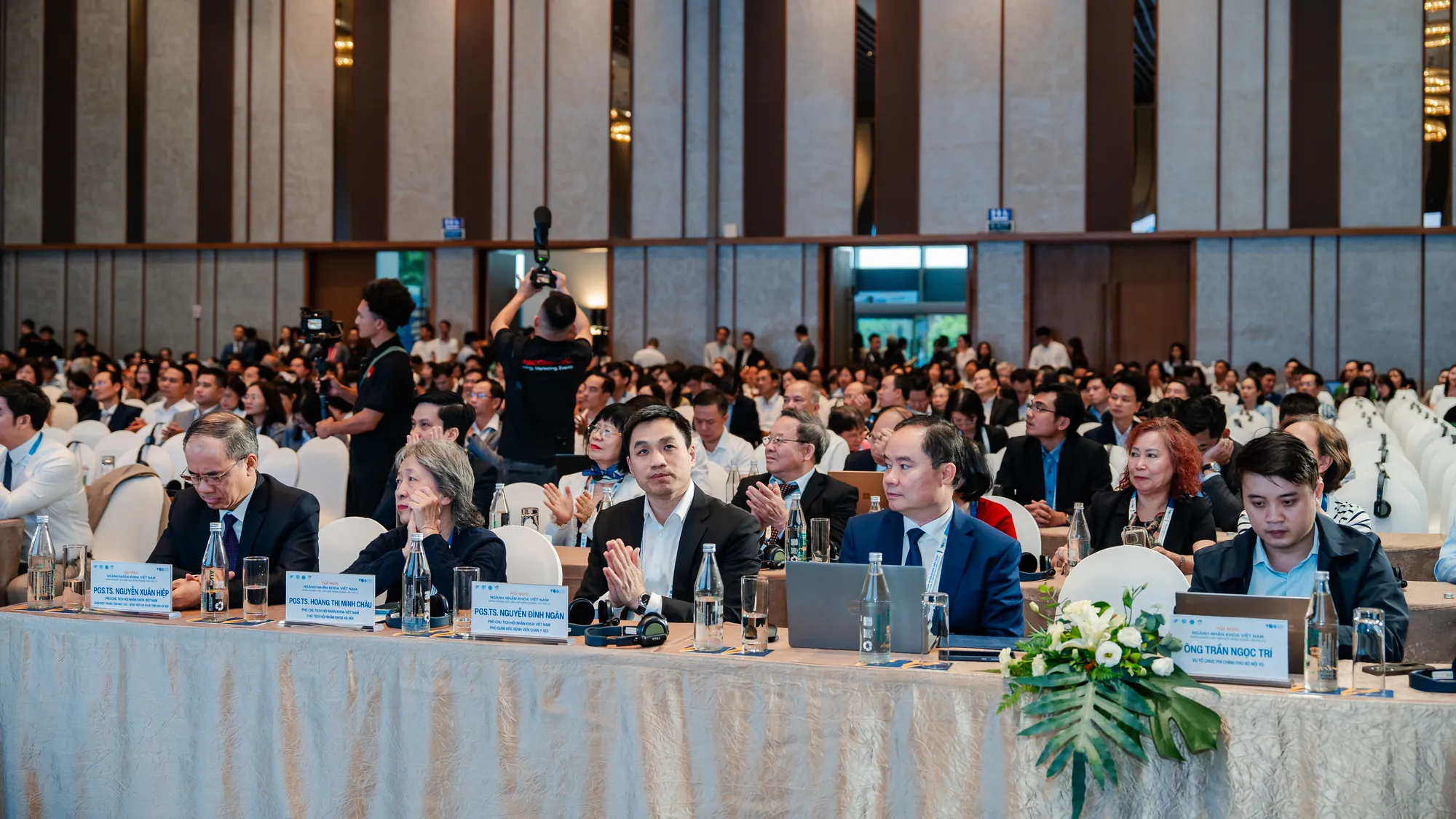
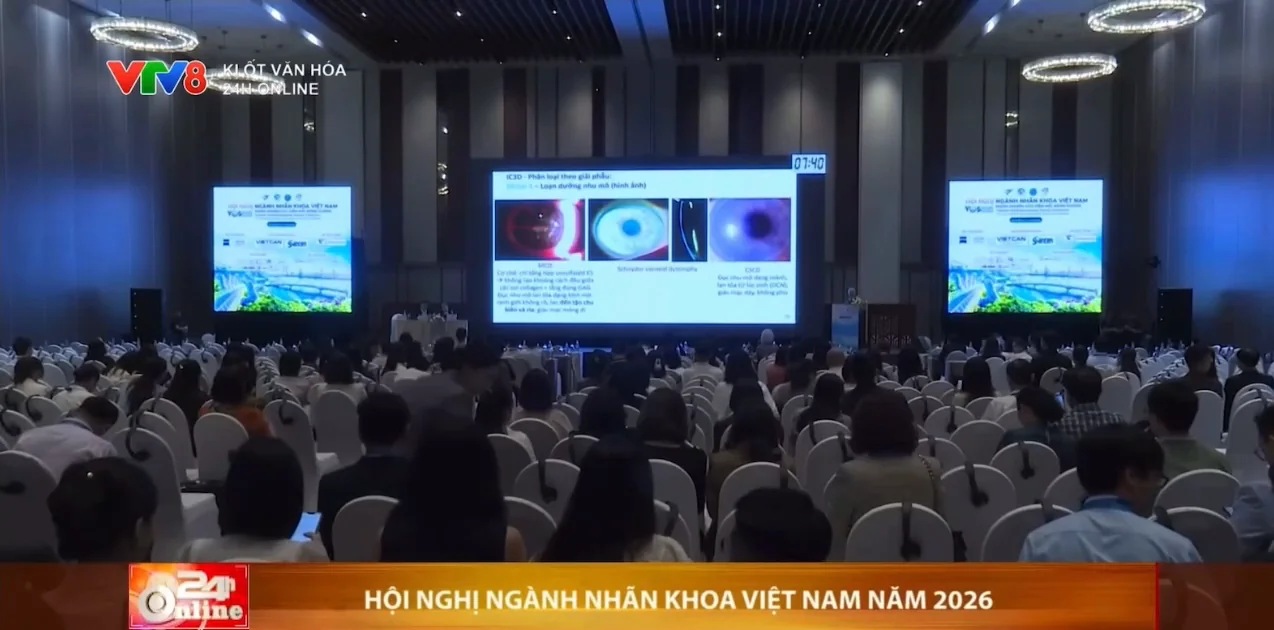
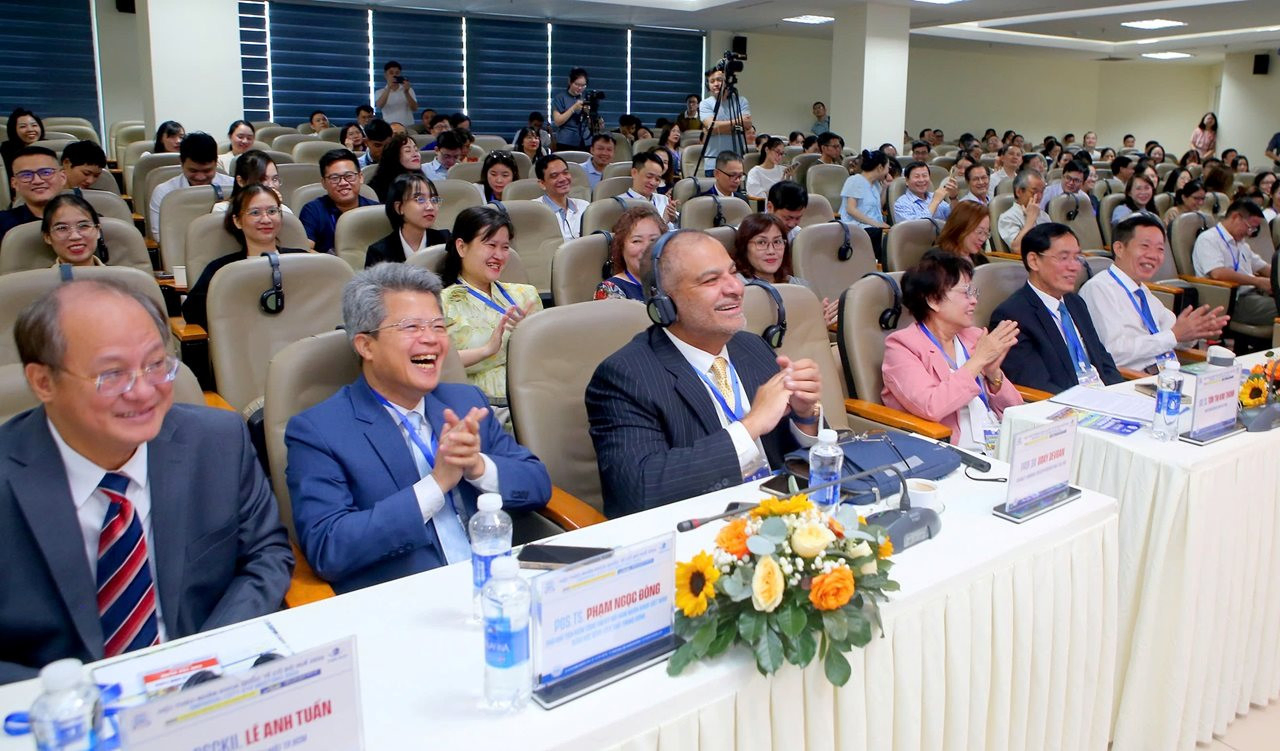
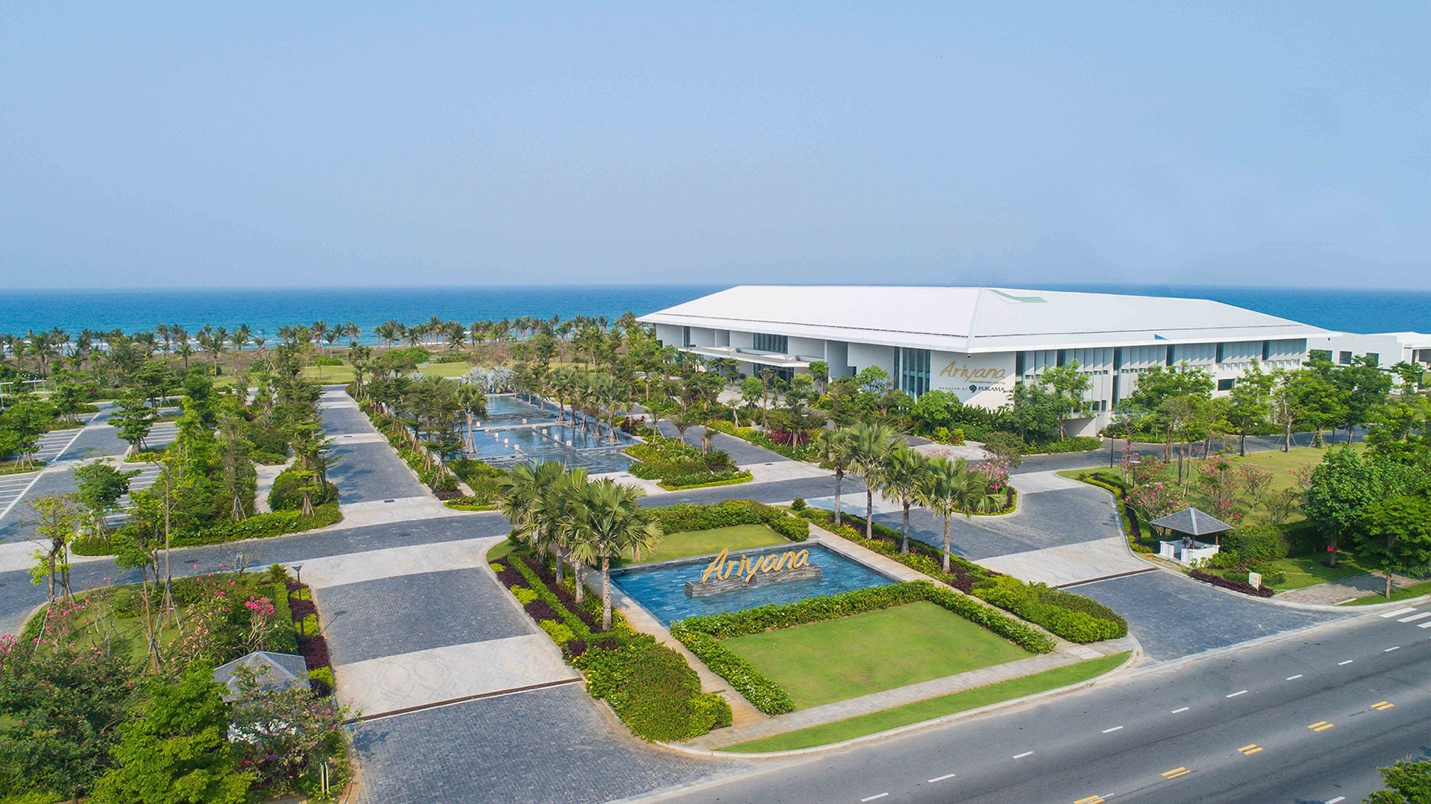
The Vietnam Ophthalmological Society Conference 2026 (VOS 2026), held jointly with the 12th Indochina Ocular Inflammation Study Group Meeting (ICOISG 12), takes place from 13 to 15 November 2026 at the Ariyana International Convention Centre Da Nang, 107 Vo Nguyen Giap, Ngu Hanh Son Ward, Da Nang.
The conference is organised by the Vietnam Ophthalmological Society together with the Vietnam National Eye Hospital, Da Nang Eye Hospital and the Indochina Ocular Inflammation Study Group. More than 3,000 delegates from Vietnam and abroad are expected, with 348 scientific presentations across 18 subspecialties and 6 in-depth training courses.
The conference will also release the results of the Rapid Assessment of Avoidable Blindness in Vietnam 2026 (RAAB 2026), providing key evidence on blindness, vision impairment and the challenges facing eye care in Vietnam.
VOS 2026: Vietnam's largest ophthalmology science forum
VOS 2026 brings together professors, specialists, ophthalmologists, surgeons, technicians and ophthalmic nurses from across Vietnam, along with international experts and representatives of ophthalmology organisations and NGOs from the United States, Australia, the Netherlands, Singapore, Thailand, South Korea, India and many other countries.
The scientific programme covers advances in diagnosis, treatment and modern technology in ophthalmology, from blindness prevention, hospital management, cataract and refractive surgery to glaucoma, cornea, retina, paediatric ophthalmology, neuro-ophthalmology, ophthalmic imaging, nursing and research by young doctors.
Alongside the oral sessions, the conference features e-posters, scientific images and videos, panel discussions and 6 in-depth training courses for doctors, technicians and nurses. Blindness prevention alone has 7 presentations, focusing on comprehensive, equitable and high-quality eye care; diabetic retinopathy; low vision support for visually impaired students; and school myopia.
Beyond the science, VOS 2026 hosts an exhibition of pharmaceuticals, equipment and ophthalmic technology from Vietnamese and international companies, plus professional, cultural and sports activities, including a barefoot beach run on My Khe Beach and a friendly football tournament to promote health and strengthen ties across the profession.
See also: the conference programme and the six workshops.
RAAB 2026: blindness prevalence falls, but more people are blind
RAAB 2026 was conducted by the Vietnam National Eye Hospital with local health authorities, using the internationally standardised RAAB methodology and supported by international and blindness prevention organisations (WHO, IAPB, ORBIS, FHF, ICF and others). The survey covered 12 provinces and cities and almost 16,000 people aged 50 and over in 317 clusters.
It measured the prevalence and causes of blindness and vision impairment, and assessed access to eye care, quality of treatment and barriers to blindness prevention. The results provide a scientific basis for the national blindness prevention strategy for 2026–2030, with a vision to 2045.
Key figures
| Indicator (people aged 50+) | 2015 | 2026 |
|---|---|---|
| Blindness prevalence | 1.8% | 1.66% |
| Estimated number of blind people | 329,333 | 463,835 (up about 40.8%) |
| Cataract as a share of blindness causes | 74% | 66.7% |
| Cataract surgery complications as a share of blindness causes | 4.6% | 6.2% |
The main reason for the rise in numbers is the rapid growth of the population aged over 50, estimated at 26.04 million in 2026. Vietnam is estimated to have about 3.46 million people with moderate vision impairment (13.02%) and almost 446,000 with severe vision impairment (1.69%). A lower prevalence therefore does not mean a lower burden: demand for eye examination, treatment, vision rehabilitation and eye care keeps rising as the population ages.

Cataract remains the leading cause
Cataract accounts for 66.7% of recorded blindness, down from 74% in 2015. Efforts to expand cataract surgery have paid off, but the need for treatment remains large.
Notably, complications of cataract surgery account for 6.2% of blindness causes, up from 4.6% in 2015. This is a share among the blind people surveyed, not a complication rate across all operations. In operated eyes with suboptimal vision, the main causes were:
- posterior capsule opacification: 34%;
- residual refractive error: 31.2%;
- coexisting eye disease, mainly of the posterior segment: 20.8%;
- intraoperative or postoperative complications: 9.4%.
These findings call for better quality across the whole pathway, from preoperative assessment, biometry and intraocular lens selection to surgical technique, aftercare, spectacle correction and follow-up.
Other causes and uncorrected refractive error
Other causes of blindness include posterior segment disease (7.6%), corneal scarring (5.1%), glaucoma (4.9%), age-related macular degeneration (2.4%) and diabetic retinopathy (1.9%). These chronic, age-related conditions point to the need for more screening, early detection and long-term management.
For moderate vision impairment among people over 50, uncorrected refractive error accounts for 29.9% of reported causes. It can be addressed simply and at low cost through screening, refraction and suitable spectacles, which makes refraction services, especially at primary care level, particularly important.
Gender differences
Women account for 64.5% of bilateral blindness; blindness prevalence is 2.06% among women compared with 1.19% among men. Conversely, unilateral blindness is higher among men (2.4%) than women (1.6%). Longer life expectancy and barriers to accessing eye care may explain the greater burden of bilateral blindness among women, while injuries at work and at home may contribute to unilateral blindness among men.
Priorities
Based on RAAB 2026, the ophthalmology sector proposes to:
- Further expand access to cataract surgery while improving the quality and visual outcomes of surgery.
- Strengthen screening, early detection and management of chronic eye diseases, especially glaucoma, diabetic retinopathy and retinal disease.
- Develop refraction, spectacle and eye care services at primary care level.
- Reduce inequality in access to services, with a focus on older women and disadvantaged groups.
- Promote science, technology and digital transformation in management, clinical care and blindness prevention.
RAAB 2026 shows that Vietnam has made progress in reducing blindness prevalence, yet the burden of disease is growing with population ageing. The challenge ahead is not only to reach more people with surgery, but also to ensure quality treatment, good visual outcomes and equitable, continuous eye care.
ICOISG 12: strengthening international scientific cooperation
Held within VOS 2026, the 12th Indochina Ocular Inflammation Study Group Meeting brings together ophthalmologists from the United States, India, Malaysia, Thailand, South Korea, Taiwan (China), Vietnam and other countries and territories.
The meeting features 36 scientific presentations on advances in the diagnosis and treatment of ocular inflammatory diseases, especially uveitis, endophthalmitis and complex inflammatory conditions. Experts will share clinical experience, discuss challenging cases and present new treatments to improve outcomes and prevent complications that lead to vision loss and blindness.
Holding VOS 2026 and ICOISG 12 together creates a forum for Vietnamese and international experts, scientists and health workers to exchange knowledge, keep up with professional advances and expand cooperation in research, training and technology transfer.
As the leading annual professional event of Vietnamese ophthalmology, VOS 2026 helps drive innovation, the application of science and technology, better quality of care and stronger blindness prevention, with the goal of protecting and improving eye health for everyone.
The detailed programme is available at hoinghinhankhoavietnam.vn.
Assoc. Prof. Dr. Pham Ngoc Dong
Head of the Organising Committee
Vice President and Secretary General, Vietnam Ophthalmological Society
Director, Vietnam National Eye Hospital